Entrevista a Jaume Blancafort, presidente de Confecarne
26 de junio de 2009
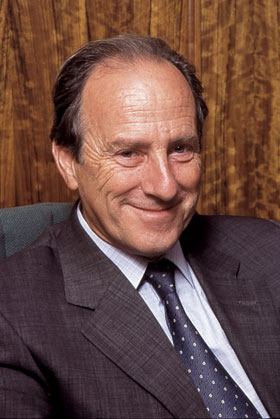
Según los últimos datos, la industria cárnica supone prácticamente un 2% del PIB total español. ¿Se trata de uno de los sectores dentro de la industria alimentaria que mejor está aguantando el tirón de la crisis?
La industria cárnica es el cuarto sector industrial de este país. Aunque a distancia de ellos, sólo estamos por detrás de la industria automovilística, el sector de energía eléctrica y la industria del petróleo y combustibles. Todos estos sectores están recibiendo, lógicamente, un gran apoyo por parte del Gobierno, antes y ahora durante la crisis.
Por el contrario, nuestro sector está navegando por la crisis en una soledad palpable, aunque nuestra relevancia socioeconómica no es tampoco desdeñable, y eso debiera tenerse en cuenta por parte de nuestros gobernantes. No sólo representamos el 2 por ciento del PIB de nuestro país, sino el 14% si nos referimos al PIB industrial.
Ha de tenerse en cuenta que no estoy hablando sólo de la viabilidad de nuestras empresas, sino del futuro del importantísimo sector de producción primaria. De esta actividad dependen en España, según la FAO, más de 2,5 millones de personas, de las que una parte muy relevante corresponde a la actividad relacionada con la cadena de producción cárnica, de la que nuestra industria es sólo el último eslabón.
Por ello, queremos que desde la administración se arbitren todas las medidas necesarias para facilitar a nuestras industrias el tránsito por esta complicadísima situación económica, como se está haciendo con otros sectores económicos de importancia.
¿Cuáles son los principales problemas que está sufriendo la industria cárnica en la actualidad?
Como es bien sabido, la crisis genera una menor capacidad adquisitiva generalizada, con descensos de consumo, mayor competencia y endurecimiento de condiciones de acceso a los mercados exteriores, etc. Y todo ello, va dibujando, junto a otros factores, una dificilísima situación financiera en las empresas.
Según los últimos datos, más del 80% de las pymes tiene graves dificultades para acceder al crédito, lo que está ahogando a toda la cadena de producción: ganaderos, industriales y clientes. Es por tanto esencial garantizar que las empresas puedan acceder a la financiación bancaria que les permita dotarse de la liquidez que necesitan para su actividad económica.
Se propone desde el sector la creación de una línea de avales del Estado combinada con un instrumento de regulación del mercado, de manera que los fabricantes almacenarían sus excesos de producción por un tiempo establecido, retirando esa oferta del mercado, pignorando esas existencias almacenadas como garantía suficiente para cubrir el aval. Este permitirá obtener la financiación bancaria para el circulante necesario para la adquisición de materias primas a los ganaderos.
Igualmente hay que afrontar otras medidas que afectan igualmente a la capacidad financiera de las empresas. Por una parte, es necesario que se agilice la devolución del IVA de las exportaciones, que está penalizando a las empresas que han apostado por la exportación. Y, por otro lado, seguimos insistiendo en la obligada reducción de los largos plazos de pago aplicados por la gran distribución.
¿Se tienen ya cifras de cómo ha afectado la gripe A al sector porcino español?
Afortunadamente, la gestión de este problema por parte de las autoridades sanitarias españolas y su repercusión en los medios de comunicación ha sido bastante razonable, manteniendo, salvo casos esporádicos, la ‘nueva gripe’ al margen del cerdo, dejando claro que ésta es una enfermedad humana, no porcina, como han manifestado reiteradamente la Oficina Internacional de Epizootias (OIE), la FAO, la Organización Mundial de la Salud, la Unión Europea, el mundo científico, etc.
De todos modos, hay que seguir vigilantes para que no se introduzcan inquietudes o dudas en la opinión pública, aún de forma indirecta, sin ninguna razón objetiva ni evidencia científica, que como sabemos se trasladan rápidamente a las decisiones de consumo y pueden contribuir a causar un grave perjuicio a un sector como el cárnico.
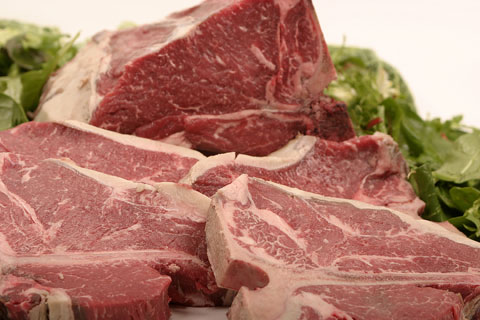
Uno de los productos más apreciados en nuestro país es el ibérico, ¿está este sector padeciendo de forma especial la crisis económica?
Un sector tan emblemático de nuestra gastronomía como el del cerdo ibérico atraviesa una crisis múltiple de producción, de consumo, de costes, etc., pero sobre todo de identidad. La gravedad de la situación amenaza con hacer desaparecer el sector ibérico tradicional, entendiendo como tal el que está vinculado a la producción extensiva en el suroeste peninsular, tras el fracaso de la ‘Norma de Calidad del Cerdo Ibérico’ en los objetivos iniciales que perseguía, que no eran otros que proteger el ecosistema de la dehesa y los cerdos ibéricos sustentados en ella.
Resulta urgente resolver esta situación, diferenciando en el mercado, prestigiando y añadiendo valor a las producciones tradicionales, a través del establecimiento de una figura de calidad diferenciada de la Unión Europea, que además proteja a nivel internacional al cerdo ibérico.
Para ello, estamos pidiendo, desde la industria (agrupada en Iberaice) y la Asociación Interprofesional, la creación de una Indicación Geográfica Protegida para los cerdos ibéricos de la dehesa, que abarcará el suroeste de España y Portugal. Por otro lado, es obligado trabajar en la promoción del consumo, tanto en España como en otros países, en el conocimiento de los productos ibéricos, de sus características nutricionales, y en la realidad de su precio.
En sectores como el agrícola se denuncia continuamente la intromisión en los mercados europeos de productos de terceros países que no cumplen con los mismos requisitos que lo han de hacer los elaborados aquí. ¿Es una situación que también se extiende a la industria cárnica?
Efectivamente, ésta es una situación que padece de forma especial la industria cárnica. Nuestras carnes y productos derivados deben cumplir con los más altos requisitos de seguridad alimentaria, control y trazabilidad para acceder tanto a nuestro mercado interior (la Unión Europea), como a los de países terceros.
Por ello, es fundamental exigir que todos los productos cárnicos que se comercialicen en los mercados europeos tengan las mismas exigencias higiénico-sanitarias y de control. Y esto, por un doble motivo de evidente importancia. De una parte, por la seguridad de los consumidores, y de otra, para que nuestras empresas puedan competir en igualdad de condiciones económicas con las de otros países que acceden a nuestros mercados.
Una de las continuas quejas por parte del sector ha sido el incremento desmesurado de la factura eléctrica, ¿en qué medida está afectando este excesivo coste a un conglomerado de empresas como las pymes dedicadas a la industria cárnica?
La factura eléctrica es uno de los costes más importantes para una industria cárnica, teniendo en cuenta que en nuestras fábricas buena parte de las instalaciones están funcionando con electricidad las 24 horas del día: las cámaras de frío (refrigeración o congelación), los secaderos, etc., no paran nunca.
Las pequeñas y medianas industrias han visto, indefensas, cómo en el último año su factura de electricidad se ha incrementado en unos porcentajes imposibles de asumir. Por eso, desde nuestras organizaciones estamos trabajando para tratar de optimizar los costes del suministro eléctrico de nuestros asociados mediante la agrupación de demanda, la búsqueda de las mejores condiciones de facturación y servicio a través operadores especializados, descuentos, etc.
Se ha comprobado que una de las grandes soluciones es la promoción exterior de nuestros productos cárnicos. ¿Qué labor se está realizando en este sentido desde las administraciones o instituciones como Confecarne?
La exportación tiene una importancia estratégica para nuestros sectores cárnicos y muy especialmente para el sector porcino. En 2008, el sector cárnico exportó más de 1,3 millones de toneladas de productos, convirtiéndose en el primer exportador de la industria alimentaria. El comercio exterior es esencial para el equilibrio económico de estos sectores, porque el potencial de producción de la cadena cárnica, junto a la caída del consumo interno y la madurez de nuestro mercado, hacen necesario ser más eficaces en la exportación. El futuro nos va en ello.
Y pese a que se va avanzando y la situación ha mejorado en los últimos años mucho en relación con otros periodos anteriores, y a que se van consolidando algunos mercados de gran interés como Japón, la situación dista mucho de ser la apropiada.
Por ello, consideramos fundamental que se destinen todos los medios necesarios para la apertura y consolidación de los nuevos mercados. Hay que ser más eficaces y ágiles en la apertura de estos países, eliminando los obstáculos al comercio que habitualmente se producen. Debe lograrse la acción conjunta y coordinada de Agricultura y Comercio, y una mayor actividad de las oficinas comerciales.
¿En qué sentido ha beneficiado a la industria cárnica el haberse incorporado el pasado año a la Plataforma Tecnológica Española?
La actividad de I+D+i en el sector cárnico es una constante por la propia complejidad tecnológica de nuestra actividad industrial, pero aún así, el hecho de que nuestro tejido empresarial esté constituido en gran medida, como ya he dicho, por pequeñas y medianas empresas, hace que el incrementar los índices de I+D+i de la industria cárnica sea una asignatura pendiente en la que estamos volcados.
La competitividad de nuestras industrias es un factor clave para su desarrollo, en un contexto industrial y comercial cada vez más globalizado, exigente y complicado hace ineludible inducir en el sector cárnico una cultura que fomente las inversiones innovadoras y facilitar la participación de las empresas en los programas, nacionales e internacionales de I+D.
Y cuando hablo de estas estrategias de innovación tecnológica e inversión, me refiero a aspectos importantísimos para nuestro sector como la optimización de los ya altísimos niveles tecnológicos de control y seguridad alimentaria, la eficiencia energética de las instalaciones, la mejora de las condiciones medioambientales de las industrias, los avances en seguridad e higiene laboral, etc. Todo ello, junto a los nuevos requerimientos nutricionales por parte del consumidor, los cambios estructurales en sociedades como la nuestra, en cuanto a tendencias y segmentación de los grupos de consumo, o la complejidad creciente de los mercados.