Entrevista a José A. Jiménez Saceda, director general de Sernauto
28 de junio de 2010
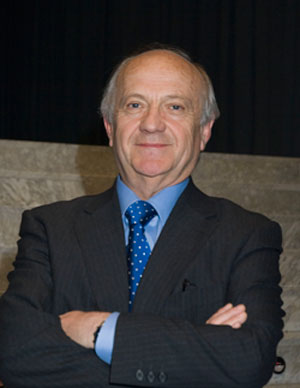
Fundada en 1967, Sernauto es la Asociación Española de Fabricantes de Equipos y Componentes para Automoción. Sernauto representa los intereses de sus asociados ante la Administración y las instituciones públicas y privadas. Es además, punto de referencia para discutir los asuntos que afectan al sector y punto de encuentro de las empresas. José A. Jiménez Saceda expone su opinión sobre la actualidad del sector.
¿Cómo va a afectar al sector la irrupción del coche eléctrico?
El sector de automoción está en constante evolución tecnológica. Los proyectos de I+D de los fabricantes de automóviles y de componentes tienen como objetivo el desarrollo de vehículos más eficientes, más seguros y mejor conectados con su entorno. Los vehículos eléctricos representan una más de las opciones tecnológicas disponibles en el futuro y por tanto serán para el sector de componentes de automoción tanto una fuente de amenazas como de oportunidades. El concepto de electrificación del vehículo no se refiere únicamente al sistema de propulsión del mismo, ya que los vehículos están experimentando un proceso continuo de electrificación por sustitución de funciones mecánicas e hidráulicas, como la dirección, el freno, etc. por otras eléctricas o electrónicas. Esta evolución supone a corto plazo un reto para todas las empresas implicadas que han de adaptarse a estas nuevas tecnologías.
¿Va a ser necesario remodelar las industrias dedicadas a piezas como motores, depósitos de combustible o tubos de escape? ¿Sería económicamente viable reorientarlas?
Con respecto a la evolución específica del sistema de propulsión, además de las mejoras previstas en los motores de combustión interna de los vehículos convencionales, los vehículos híbridos demandarán motores más pequeños y mecanismos eficientes de interacción con el motor eléctrico para optimizar la gestión de energía en el vehículo. Para ello también será necesario el desarrollo de sistemas de recuperación de energía tanto mecánica como térmica, ligados a los sistemas de freno y de escape.
Sernauto está promoviendo la difusión de información sobre la evolución tecnológica prevista para que las empresas del sector puedan definir sus planes estratégicos y reorientar sus proyectos de desarrollo y su capacidad productiva hacia productos y tecnologías de futuro, de acuerdo con sus capacidades y conocimientos de producto y proceso.
¿Qué nuevas empresas aparecerán integradas en su sector?
El vehículo eléctrico va a representar la entrada en el sector de nuevos actores como los fabricantes de motores eléctricos, baterías y otros dispositivos de almacenamiento de energía de altas prestaciones, electrónica de potencia, elementos de gestión térmica, software de gestión de energía, TIC, etc. Todos ellos tienen experiencia en sectores con exigencias diferentes en capacidad tecnológica, calidad y precio, por lo que para facilitar su trabajo con los fabricantes de vehículos será conveniente la interacción con los proveedores actuales del sector, que conocen las demandas y el grado de exigencia de los fabricantes de automóviles.
El desarrollo de nuevos conceptos de vehículos urbanos, tanto de coches pequeños como de vehículos de transporte y reparto de mercancías, representarán la entrada de productos en nichos de mercado, fabricados por nuevas empresas. Este hecho puede suponer un cambio en las relaciones entre los diferentes actores de la cadena de valor.
Hablemos acerca de la crisis y el Plan 2000E. ¿Cómo ha afectado en cifras la crisis al sector de los fabricantes de piezas para vehículos?
De acuerdo con las cifras ya publicadas por la asociación hace unas semanas, la cifra de negocio del sector en 2009 fue de 22.988 millones de euros, lo que supone una disminución del 23,3% con respecto a 2008. Estas cifras están en consonancia con la disminución experimentada en el mismo periodo por la fabricación de vehículos.
¿Es competitiva la industria auxiliar en España? ¿Cómo ven el futuro del sector desde la asociación?
Es cierto que las cifras de producción de vehículos en España en el primer semestre de 2010 están siendo mejores que en el mismo periodo de 2009, sin embargo, la desaparición paulatina de las ayudas a la sustitución de vehículos en los distintos países europeos, que son el mercado natural de los vehículos fabricados en España, así como la subida prevista del IVA en el mes de julio, hace que sea muy difícil establecer unas previsiones optimistas para el segundo semestre del año, por lo que la cifra global esperada para 2010 es similar a la del pasado año.
¿Ven con optimismo el incremento en la venta de vehículos nuevos o es un espejismo producido por el plan 2000E y la futura subida del IVA? ¿Qué otras medidas gubernamentales valorarían para salvaguardar a un sector con tanto peso en el PIB?
En el mercado global actual, la supervivencia del sector de automoción en España ha de ir ligada a su competitividad tecnológica y a la oferta de productos y tecnologías de mayor valor añadido. Para ello es necesario que se apoye al sector desde los poderes públicos, promoviendo la realización de proyectos tecnológicos en toda la cadena de valor, incluyendo desde el fabricante de vehículos a los proveedores de los distintos niveles. También es necesaria la colaboración de las empresas con centros tecnológicos y universidades y centros de investigación, así como con agentes de sectores que interaccionan con el vehículo, como las telecomunicaciones, nuevos materiales, comunicaciones, infraestructuras, y las empresas eléctricas y energéticas.
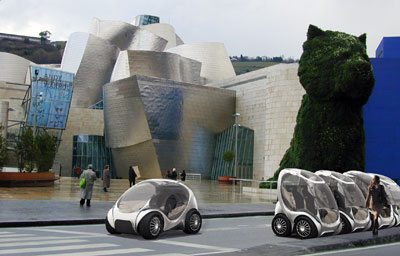
Primer coche eléctrico ‘Made in Álava’
El primer coche eléctrico 'Made in Álava' es ya un proyecto consolidado. A los 100 millones de euros que costará su salida al mercado, añade cada día la dosis justa de incertidumbre para mantener vivo el proyecto. En septiembre de 2011 nacerá el primer prototipo y un año después saldrá a la calle. El reto es vender 100.000 unidades hasta 2014.
La primera maqueta se presentó en Madrid y las conversaciones con las marcas que fabricarán el coche están a punto de cristalizar. Hiriko ya no es sólo un sueño. Sus impulsores, un grupo de empresarios alaveses en consonancia con el MIT de Massachusetts y el Parque Tecnológico de Álava sólo hablan de’"innovación de verdad’ y un cambio de modelo empresarial basado en el desarrollo sostenible.
El vehículo consta de siete módulos que serán fabricados íntegramente en Euskadi por otras tantas compañías vascas. Hiriko se comercializará en todo el mundo y se va a montar a través de un sistema franquiciado. En estas instalaciones habrá unas pequeñas líneas de montaje de cinco fases en las que se montará el coche y un último puesto controlará y verificará todo el proceso.