1999-2007: 65% menos de siniestralidad en las empresas valencianas
3 de junio de 2010
Los datos, en la Comunidad Valenciana arrojan una reducción de la siniestralidad de hasta un 65,3% en las empresas participantes, confirmando el impacto positivo de los PAP en la reducción de accidentes laborales.
Los Planes de Acción Preferente son una iniciativa pública, la más importante puesta en marcha en España en materia de salud laboral. Tienen su origen en el gravísimo accidente ocurrido en los Astilleros de Valencia, que se saldó con la muerte de 18 trabajadores.
A partir de entonces, en el año 2000, el conjunto de las administraciones públicas adoptaron un compromiso de desarrollar políticas intensivas que se han venido materializando en los llamados Planes de Acción Preferente (PAP) sobre empresas de alta siniestralidad, impulsados por el Ministerio de Trabajo y desarrollados por las Comunidades Autónomas.
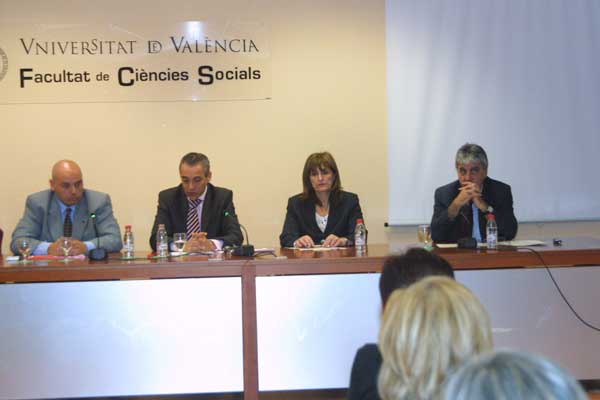
Diez años después de su puesta en marcha, Cisal presenta la evaluación y el análisis del impacto de estos planes en las empresas participantes, midiendo los resultados, y comparándolos con los datos de siniestralidad de las empresas que, durante ese mismo periodo de aplicación, no han sido objeto de los PAP.
En este sentido, el centro de investigación ha medido el grado de efectividad de los planes sobre un total de 560 empresas analizadas pertenecientes a los sectores de la construcción, la industria y los servicios, que suman un total de 34.620 trabajadores. Asimismo, las empresas de no aplicación PAP estudiadas, ascienden a 635, con una media de 28.537 trabajadores.
Según el informe, en el primer año de intervención de los planes, las empresas experimentaron una reducción drástica de accidentes laborales entre un 26,7% y un 42,5%, seguida de descensos mantenidos a lo largo de los años siguientes. Una reducción que seis años después ascendió a un 53,5% y un 65,3%, respecto a los índices del año anterior a la intervención.
Esto supone que en las empresas en las que se aplicaron estos planes, la reducción de los accidentes laborales fue hasta tres veces mayor (de 1,3 a 3,1) que en las empresas que no participaron en la aplicación de los PAP.
Por sectores, comparativamente, la industria presenta un mejor comportamiento que la construcción y los servicios. En el primer año de intervención de los PAP, el sector industrial redujo la tasa de accidentes laborales en un 34,3%, frente al 27,8 y 28,3% de los sectores de la construcción y servicios, respectivamente.
Al sexto año de intervención, estas diferencias entre sectores se acortaron, al tiempo que se redujo significativamente el índice de accidentes laborales en todos ellos. Así, el sector industrial bajó su siniestralidad un 58,3%; la construcción, un 58,7% y los servicios, un 52,6%.
En cuanto al tamaño, en las empresas pequeñas, de menor de 50 trabajadores, el impacto de la intervención es mayor que en las grandes. En el primer año, registraron un descenso de incidentes del 41,4%, frente al 19,2% de las empresas grandes. En el sexto año, la efectividad de la intervención continuó siendo mayor en las pymes que en las grandes, con descensos del 64,6% y 47% respectivamente.
También, el estudio de Cisal analiza los tipos de accidentes. Los no mecánicos, de origen químicos, ergonómicos o psicológicos tuvieron una reducción de incidencia del 63,5%; los mecánicos, como cortes, enganches, atrapamientos o arrastres, una reducción del 55,2%, y los sobreesfuerzos, un descenso del 56,7%.
Principales conclusiones
El informe destaca la alta efectividad de los planes de acción preferente, ya que en todos los casos, en el primer año de aplicación, generaron reducciones drásticas del número de lesiones por accidente de trabajo.
Lejos de ser un impacto puntual o esporádico, la reducción de la siniestralidad se mantiene a los largo de los años siguientes. Es una reducción sostenida en el tiempo. Las tasas de accidentes en las empresas PAP convergen con las empresas que por su baja siniestralidad, no han sido objeto de intervención de los planes.
Es en el sector de la construcción, precisamente en el momento de mayor actividad, antes de la crisis, donde mayor efecto ha tenido la aplicación de los planes. Asimismo, los accidentes de origen mecánico y los sobreesfuerzos fueron los que más se redujeron.
Se trata de un estudio que arroja datos totalmente novedosos ya que al haber basado la investigación en el seguimiento durante varios años de la aplicación de los Planes, permite, por primera vez, medir la sostenibilidad de la efectividad que se consigue en las empresas y no solo los efectos a corto plazo.
El director gerente de Unión de Mutuas, Juan Enrique Blasco, manifestó que en un contexto de crisis como el que atravesamos en la actualidad, es muy importante “la colaboración de las administraciones, en la aplicación de la cultura de la prevención ya que para elevar la productividad y la competitivdad de la economía es fundamental fomentar la prevención de los accidentes de trabajo tanto a corto como a largo plazo”.

Cisal
El Centro de Investigación en Salud Laboral tiene por objetivo producir y difundir conocimiento científico útiles para mejorar la salud laboral, promocionar la salud de los trabajadores y formar investigadores y profesionales altamente cualificados en materia de salud laboral. Está integrado por Corporación Mutua, la Universitat Pompeu Fabra y el Instituto Sindical de Trabajo, Ambiente y Salud (Istas), actualmente tiene abiertas cuatro áreas de investigación basadas en las condiciones de trabajo, las desigualdades en salud laboral, los daños sobre la salud y las políticas de seguridad y salud en el trabajo.